Festivals

Deepavali Festival

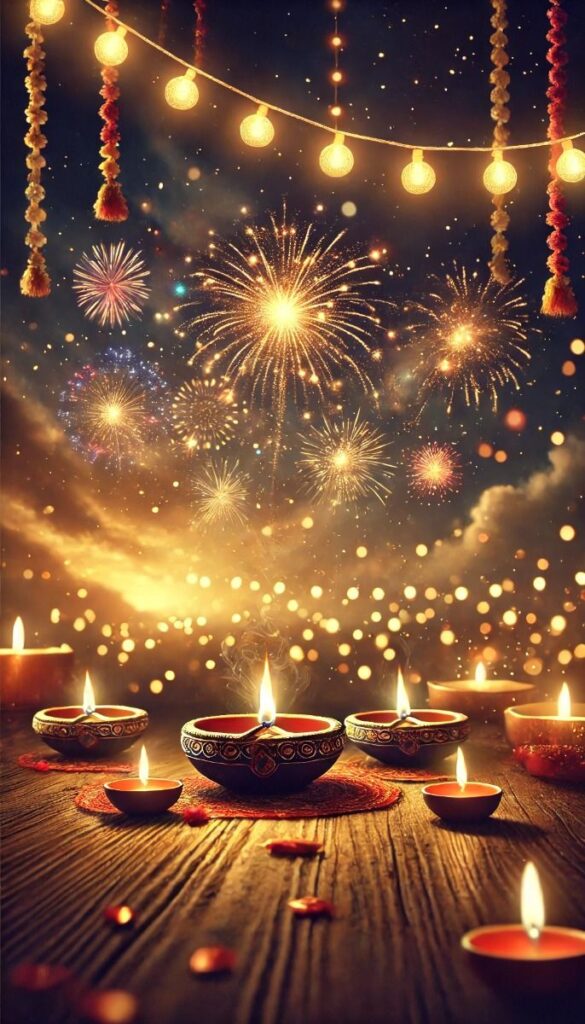
Deepavali, the festival of lights, is celebrated with great joy and enthusiasm in Chengannur town, reflecting the rich cultural harmony of Kerala. Homes, temples, shops, and streets are illuminated with traditional oil lamps and decorative lights, symbolising the victory of light over darkness and good over evil. The festive atmosphere brings families and communities together in a spirit of happiness and togetherness. In Chengannur, Deepavali celebrations begin with early morning rituals, including oil baths and prayers at nearby temples. Families prepare traditional sweets and savouries, while children look forward to bursting crackers in designated areas. Local markets experience a festive rush as people shop for new clothes, gifts, and decorations, adding colour and energy to the town. Temples in and around Chengannur observe special poojas during Deepavali, attracting devotees who seek prosperity, health, and well-being. Cultural values of generosity and sharing are highlighted as families exchange sweets and visit relatives and neighbours. The festival also strengthens social bonds across communities, making it a time of unity and goodwill. As night falls, Chengannur glows with rows of lamps and sparkling lights, creating a warm and festive landscape. Though celebrated in a calm and eco-conscious manner, Deepavali continues to be an important occasion in the town’s cultural calendar. The festival beautifully blends tradition, devotion, and modern celebration, adding to the vibrant spirit of Chengannur.

Deepavali Festival Read More »
Vallam Kali

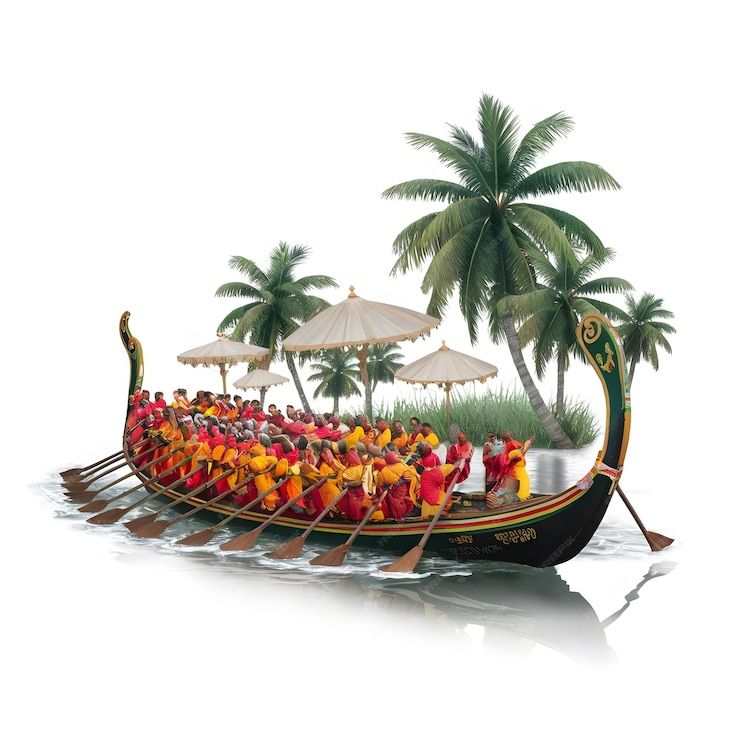
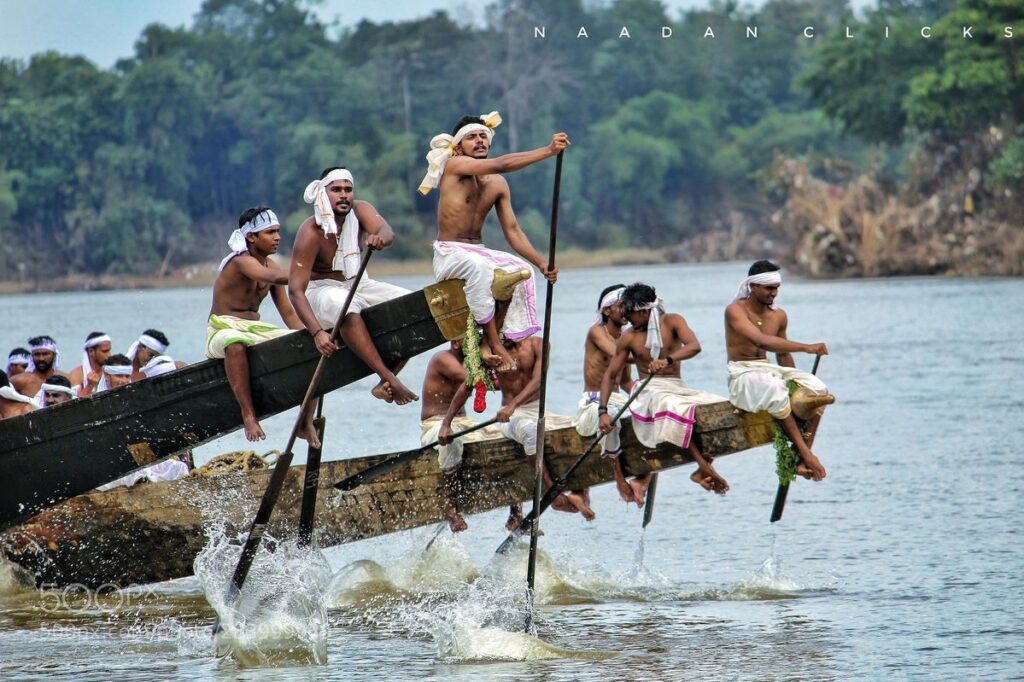
The Aranmula Boat Race, popularly known as Vallam Kali, is one of Kerala’s most famous traditional water festivals and holds special significance for the people of Chengannur town. Celebrated during the Onam season, the event takes place on the holy Pampa River, which flows close to Chengannur. Residents and visitors from Chengannur actively participate and gather along the riverbanks to witness this grand spectacle. The race features majestic snake boats (Chundan Vallams), rowed by hundreds of oarsmen in perfect rhythm. Unlike competitive boat races, Aranmula Vallam Kali is a ritualistic event linked to the Aranmula Parthasarathy Temple, emphasising tradition and devotion. The synchronized rowing and traditional chants create a thrilling and spiritual atmosphere. People from Chengannur consider the festival a symbol of cultural pride and unity. Many families travel to Aranmula to watch the boats arrive in ceremonial procession, carrying offerings for the temple. The event strengthens the cultural connection between Chengannur and neighbouring regions along the Pampa River. Festive celebrations extend beyond the river, with cultural programs, traditional music, and community gatherings. Local clubs and organisations from Chengannur often take part in Onam-related events linked to the boat race. The town experiences increased activity as tourists and devotees pass through during the festival period. The Aranmula Boat Race continues to be a living tradition that preserves Kerala’s heritage and river-based culture. For the people of Chengannur, Vallam Kali is not just a festival but a proud reflection of history, devotion, and collective celebration passed down through generations.

Vallam Kali Read More »

Onam Festival

Onam is the most celebrated festival in Chengannur town, marking the harvest season and the rich cultural heritage of Kerala. Celebrated during the Malayalam month of Chingam, the festival commemorates the legendary King Mahabali, whose annual homecoming is believed to bring prosperity and happiness. Homes, temples, schools, and public spaces across Chengannur come alive with festive spirit. One of the main highlights of Onam in Chengannur is the creation of beautiful Pookalam (floral designs) in front of houses and institutions. People wear traditional attire, with men in mundu and women in kasavu sarees. The town reflects a joyful atmosphere filled with colours, flowers, and decorations. Traditional Onam Sadya, a grand vegetarian feast served on banana leaves, is an integral part of the celebrations. Families and communities gather to share meals, strengthening bonds and togetherness. Local temples and cultural groups also organise special feasts and charity programs during the festival. Cultural programs such as Thiruvathira Kali, Pulikali, folk dances, music performances, and Onam games are organised in and around Chengannur. Schools, clubs, and community organisations actively participate, showcasing Kerala’s vibrant traditions. These events attract both residents and visitors. Onam in Chengannur town symbolises unity, equality, and cultural pride. The festival transcends religious boundaries, bringing people together in celebration and harmony. It remains a cherished occasion that reflects the town’s strong cultural roots and community spirit.

Onam Festival Read More »

Maha Shivaratri

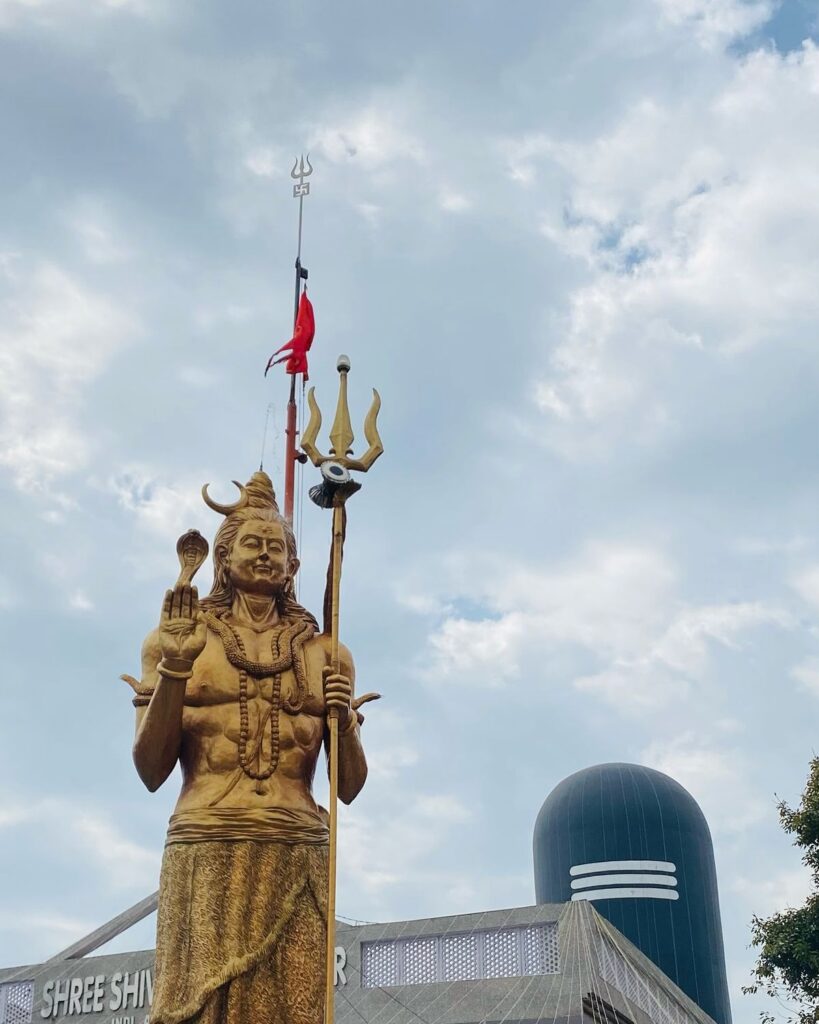
Maha Shivaratri is one of the most sacred Hindu festivals celebrated with great devotion in Chengannur town, especially at the renowned Chengannur Mahadeva Temple. Dedicated to Lord Shiva, the festival symbolises spiritual awakening, devotion, and the victory of light over darkness. Thousands of devotees gather to offer prayers and observe fasting throughout the day and night. On this auspicious day, the temple witnesses special rituals, including Abhishekam, Shivarchana, and Rudra pooja, performed from early morning till midnight. Devotees chant sacred mantras and offer bilva leaves, milk, honey, and holy water to the Shiva Lingam. The atmosphere is filled with devotion, temple bells, and spiritual chants. Night-long worship is a key highlight of Maha Shivaratri in Chengannur. Devotees remain awake (Jaagarana) as a mark of faith and penance, participating in bhajans and prayers. The temple premises glow with oil lamps, creating a serene and divine ambiance that draws both pilgrims and visitors. Cultural and spiritual programs are also organised as part of the celebrations. Classical music, devotional songs, and discourses on Lord Shiva attract large audiences. These events reflect the deep cultural roots and spiritual heritage of Chengannur town. Maha Shivaratri continues to be a major religious event in Chengannur, uniting people across communities in devotion and faith. The festival stands as a reminder of the town’s rich spiritual traditions and its enduring connection to Lord Shiva.

Maha Shivaratri Read More »

Makaravilakku festival

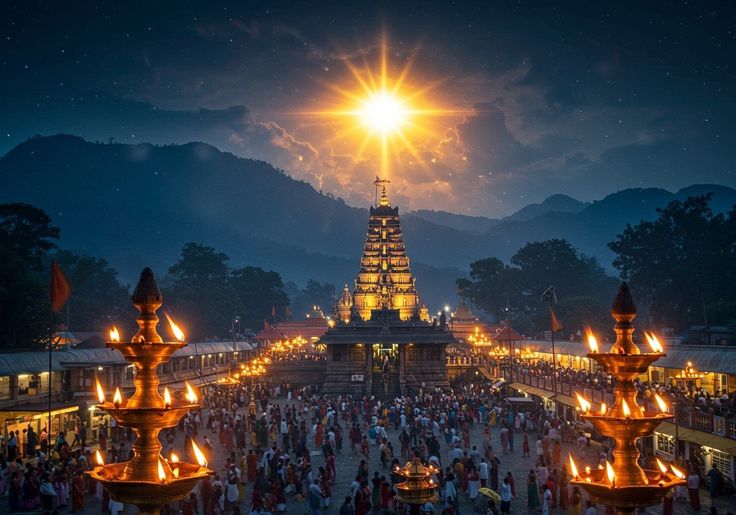
The Makaravilakku festival is one of the most revered and widely attended spiritual celebrations in South India, attracting devotees from across the country. Observed annually on Makara Sankranti (usually January 14–15), this festival marks the sacred alignment of the sun into the Capricorn zodiac, symbolising spiritual light and divine blessings. Pilgrims throng the hills and temples to witness the celestial event and offer prayers for peace and prosperity. At the heart of the festival lies the famous Makaravilakku light, seen on the slopes of the sacred hills, which devotees regard as a divine phenomenon. The light’s appearance draws large crowds during late evening hours, creating a powerful spiritual experience filled with devotion and awe. The event is deeply rooted in belief, tradition, and centuries-old customs passed down through generations. Alongside the light, the festival is also marked by the Makarajyothi — a mystical glow believed to bestow grace upon all who witness it. Devotees fast, sing hymns, and participate in temple rituals throughout the day in anticipation of this moment. The atmosphere across pilgrimage sites during the festival is vibrant, devotional, and filled with chants of sacred prayers. Cultural and religious activities form a significant part of the Makaravilakku celebration. Pilgrims engage in special poojas, offerings, and processions that reflect deep faith and community spirit. Many also take ritual dips in holy rivers as part of their spiritual observance, believing it to cleanse the mind and soul. Today, the Makaravilakku festival continues to hold immense importance in the spiritual calendar of devotees. It not only highlights ancient traditions and cultural unity but also represents faith, hope, and the eternal human quest for divine connection. Across temples and holy sites, the festival remains a powerful testament to enduring religious devotion.

Makaravilakku festival Read More »

Thriputharattu festival

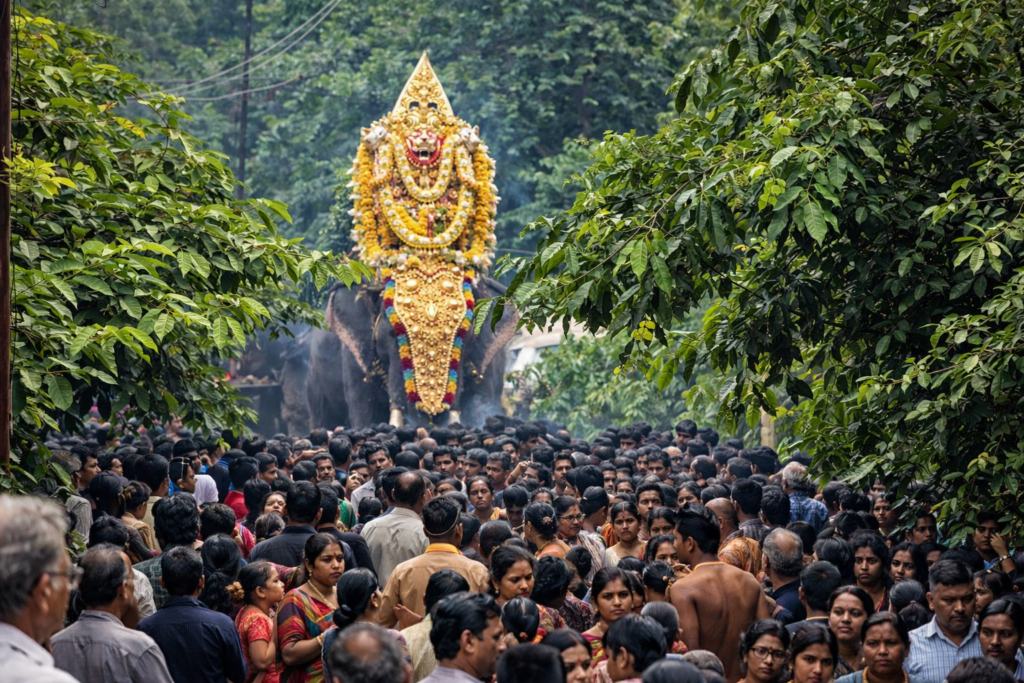
The Thriputharattu festival at Chengannur Mahadeva Temple is a one-of-a-kind ritual celebrated only at this sacred shrine in Kerala. It is a rare observance linked to the menstruation cycle of Goddess Parvathy, symbolising divine feminine power and fertility. Devotees and spiritual seekers regard it as a deeply meaningful and sacred celebration. When signs of menstruation are seen on the Goddess’s vesture, known as Udayada, the main priest (Melsanthi) examines and removes it every morning during the period. This vesture is then verified by senior women from traditional convents before temple rituals are modified. The process follows strict customs passed down through generations. Once the confirmation is completed, the inner shrine is closed for three days, and worship continues at a separate ceremonial shrine within the temple complex. This period highlights ritual purity, spiritual discipline, and deep respect for ancient traditions. Temple authorities carefully preserve and observe these customs. On the fourth day, the idol of the Goddess is taken in a sacred procession for Arattu, the holy bath, in a nearby river. This is followed by elaborate rituals and traditional ceremonies. The Goddess then returns to the temple on a decorated elephant, accompanied by Lord Shiva. The festival concludes with both deities circumambulating the temple together before re-entering their sanctums. Lord Shiva enters from the eastern side, while Goddess Parvathy enters from the western side. This sacred act marks the completion of the Thriputharattu festival.

Thriputharattu festival Read More »